

Solid wood, veneer or MDF: what you are really paying for
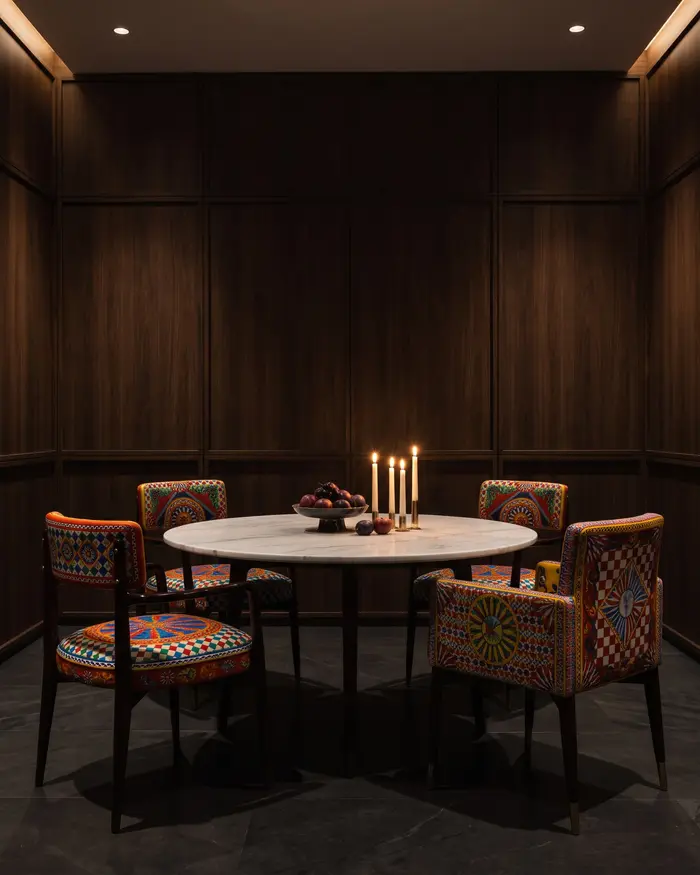
What is solid wood furniture?
Solid wood is made entirely from planks of timber. It is heavy, it can be sanded back and refinished, and good pieces last generations.
It also moves. Wood takes in moisture in the rainy season and gives it out in the harmattan, so wide solid tops need joints that allow for movement or they can split.
Is veneer cheap furniture?
Not by itself. Veneer is a thin sheet of real wood glued over a core of plywood or MDF. Much of the finest furniture in the world is veneered, because it allows matched grain across a whole table and a core that does not warp.
What matters is the thickness of the veneer, the quality of the core and how the edges are finished. Thin veneer over a poor core chips at the edges and cannot be refinished.
When is MDF the right choice?
MDF (medium-density fibreboard) is wood fibre pressed with resin into flat sheets. It is perfectly smooth, which makes it the best base for lacquered and painted finishes on cabinets, wardrobes and media units.
Its weakness is water. Once an unsealed edge gets wet it swells and does not recover, so check that every edge and cut-out is sealed, especially near kitchens and bathrooms.
How can I tell them apart in a showroom?
Look at the edge of a tabletop or door. On solid wood the grain on the edge continues from the top. On veneer the edge is usually a separate strip, or the grain stops at a fine line. Lift a drawer: solid wood and good plywood feel heavy, and the drawer box joints tell you a lot about the rest of the piece.
Then ask. A good showroom will tell you exactly what the top, frame and carcass are made of.
